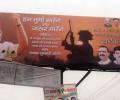
Defence Minister Manohar Parrikar wants the Modi government and BJP to reap the profit of the surgical strikes. But electoral history suggests a political party's ability to exploit military successes for poll gains has a mixed record.

BMS, BKS and SJM are trying to forge common cause with outfits on the other side of the ideological divide over the government's policies they are not in agreement with.
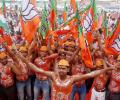
The party also expects opposition parties to help its agenda by raising the issue of making the video footage of surgical strikes public.
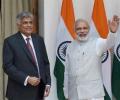
The meeting comes as India continues its attempts to isolate Pakistan in the South Asian region after the attack on its army camp in Uri.
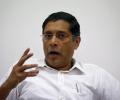
Chief Economic Advisor Arvind Subramanian says that he hopes GDP growth will be at the upper end of the 7-7.5 per cent range.

The development comes after four of the eight member states -- India, Afghanistan, Bhutan and Bangladesh -- decided to pull out.
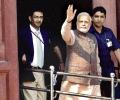
After terror attack, Mumbai red alert, a large posse of officials to fly down with PM, reports Archis Mohan.

The NITI Aayog has big plans for Indian sport.

New Delhi has reached out to neighbours like seldom before while singling Islamabad for criticism at international forums.

The fund allocated for pulses buffer is more than 40% of entire farm ministry's 2016-17 budget.

Rains have been 5% below normal so far, but Met department sticks to its forecast

Ministers will travel to different countries across the world, mostly where no ministerial visits have taken place in the last 20 to 25 years, to establish 'sampark' (contact) and 'samvad' (communication).
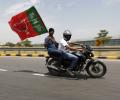
The seats identified are from Odisha, West Bengal, Andhra Pradesh, Telangana, Tamil Nadu, Kerala and the Northeast.

The central government has drafted a law to restrict wombs for hire, and there is much to be said on all sides.
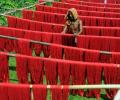
The textiles sector is India's largest organised employer and critical for the prime minister's dream of creating jobs
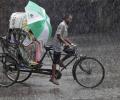
Skymet said September would be much better and it expects it to end at 111 per cent of the LPA

In the global markets, pulses prices have slumped because of a bumper harvest.

Agriculture ministry to prepare blueprint for purchasing onions directly from farmers and the expenditure on damages would be shared equally between the Centre and state governments.
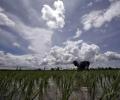
Good monsoon is likely to create more jobs in the agriculture sector, which in turn could save the exchequer around Rs 10,000 crore

This could have huge implications for agriculture, food prices, supply and overall economic growth of the country
